
Tuckpointing Chicago
July 13, 2024by adminUncategorized0
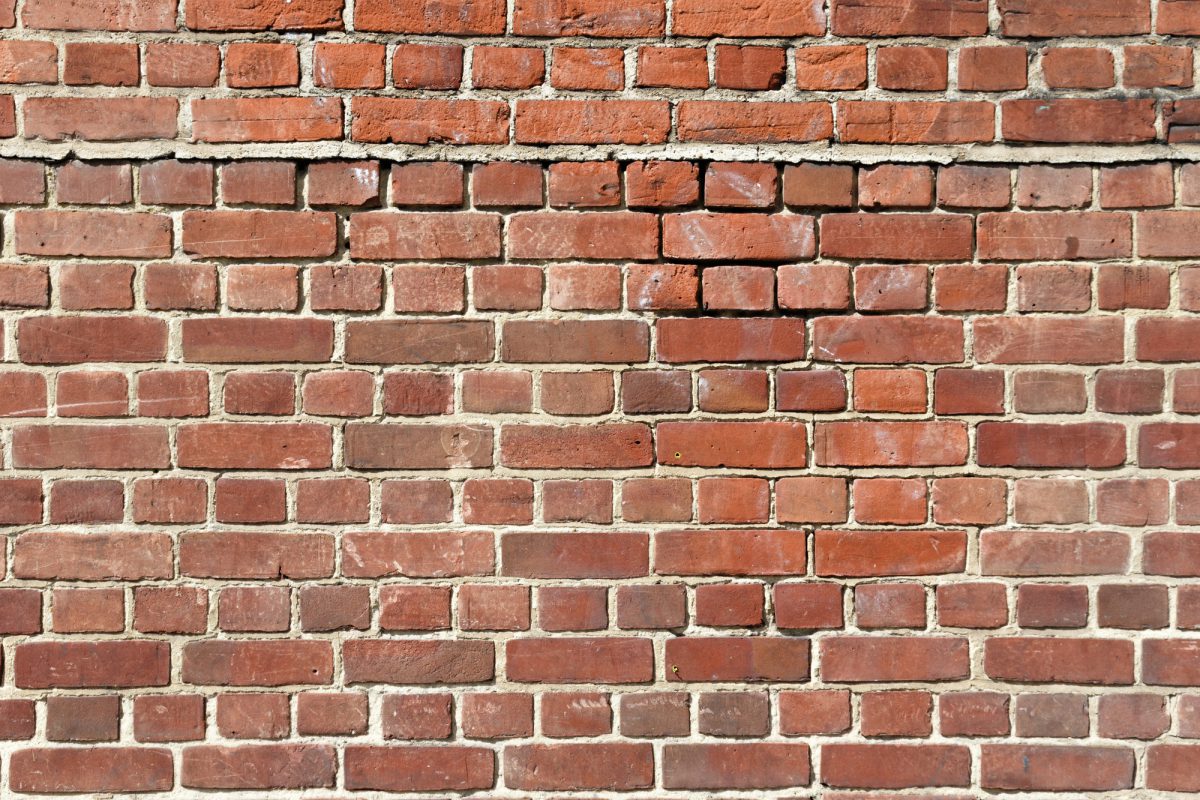
Tuckpointing Chicago is an important maintenance activity for brick buildings, involving the delicate process of removing old mortar and applying new. While it can seem simple, it’s important to approach tuckpointing with strict safety protocols to prevent injuries. Here’s how DIY enthusiasts can ensure safety during their tuckpointing projects.
1. Essential Protective Equipment
Safety is paramount in any construction-related activity, especially one as detailed as tuckpointing. Essential safety gear includes:
- Eye protection: To shield from debris.
- Face masks or respirators: To prevent dust inhalation.
- Durable gloves: To protect hands from abrasions.
- Ear protection: Essential when operating noisy machinery.
- Sturdy shoes: To ensure foot protection and stability.
2. Organize and Secure Your Working Area
Clear the workspace of any obstacles or unnecessary items to prevent accidents. Arrange all necessary tools and materials neatly to keep the working area tidy and safe. Good lighting is also crucial to enhance visibility and accuracy.
3. Select the Right Tools
Investing in the right tools specifically designed for tuckpointing, like tuckpointing trowels and diamond blade grinders, can enhance safety and efficiency. Ensure all tools are well-maintained and in good working order before starting.
4. Minimize Dust Production
Tuckpointing can release harmful silica dust. To minimize exposure:
- Implement wet cutting methods: This technique helps reduce airborne dust.
- Ventilate the area: Keep the air in your work area clean and dust-free.
- Use dust-extraction vacuums: Equip your space with vacuums fitted with HEPA filters to effectively collect dust.
5. Handle Chemicals Safely
Use chemicals like masonry cleaners and sealants cautiously. Follow all instructions and handle in ventilated areas while wearing protective gear to protect your skin and lungs.
6. Safe Use of Ladders and Scaffolds
If your project involves heights:
- Ensure stable setup: Double-check the stability of ladders and scaffolds.
- Use safety harnesses: Harnesses can prevent falls from elevated positions.
- Maintain proper posture: Avoid leaning out from ladders and reposition them as needed to stay safe.
7. Take Breaks and Stay Hydrated
Due to the physical demands of tuckpointing, it’s crucial to rest periodically and drink plenty of fluids, especially in hot weather, to avoid overexertion.
8. Dispose of Waste Responsibly
Ensure all waste, including old mortar and used chemicals, is disposed of in accordance with local regulations to avoid environmental and health issues.
Conclusion
Approaching a DIY tuckpointing project with thorough preparations and strict adherence to safety protocols can prevent accidents and ensure a successful outcome. Always prioritize your safety to enjoy a productive and safe project completion.